How Eating Well Can Help Your Body and Mind

How Eating Well Can Help Your Body and Mind
When we think about healthy eating, it’s easy to focus on weight management or physical health. But the foods we eat influence much more than our waistline. Every meal provides the nutrients our bodies and brains need to function, repair, and thrive.
From supporting mental clarity and emotional well-being to reducing inflammation and strengthening the immune system, good nutrition has a profound impact on overall health. While food isn’t a cure-all, making thoughtful, consistent choices can help you feel your best both physically and mentally.
At Nourished Minds, we believe food is more than fuel. This idea sits at the heart of the food as medicine approach: the understanding that everyday eating habits are one of the most powerful tools we have to support healing, resilience, and long-term wellness. Not as a replacement for medical care, but as a foundation that helps everything else work better.

How Does Nutrition Affect Your Brain?
Your brain is one of the most active organs in your body. Even though it makes up only a small percentage of your body weight, it uses about 20% of your daily energy. To perform at its best, it depends on a steady supply of vitamins, minerals, healthy fats, and antioxidants.
Research continues to show that people who regularly eat nutrient-dense, whole foods tend to experience better overall mental well-being than those whose diets rely heavily on ultra-processed foods. Nutrition alone isn’t the answer to every mental health challenge, but it is an important piece of the wellness puzzle.
Several nutrients play a starring role in brain health. Omega-3 fatty acids help maintain healthy brain cells and support memory. B vitamins are essential for producing neurotransmitters such as serotonin and dopamine, while magnesium supports healthy nervous system function and may help the body respond to stress. Zinc contributes to cognitive performance and immune health, and antioxidants help protect brain cells from oxidative stress and inflammation.
Rather than looking for one miracle ingredient, the goal is to create balanced meals that provide a wide variety of these nutrients over time.
Can What You Eat Affect Your Mood?
Have you ever noticed feeling sluggish after eating highly processed foods, or more energized after a balanced meal? That’s because what we eat can directly affect how we feel.
Meals high in refined sugars and processed carbohydrates often lead to rapid spikes and crashes in blood sugar, leaving us tired, irritable, or struggling to concentrate. Meals built around lean proteins, healthy fats, fibre, and complex carbohydrates help provide more stable energy throughout the day.
Many people who adopt healthier eating habits report benefits such as:
- More consistent energy.
- Improved focus and concentration.
- Better emotional regulation.
- Fewer afternoon energy crashes.
- Feeling satisfied longer after meals.
Healthy eating isn’t about restriction. It’s about giving your body the steady supply of nutrients it needs to perform well every day.
What Is the Gut-Brain Connection?
Your digestive system and your brain are constantly communicating through what’s known as the gut-brain axis. This connection plays an important role in digestion, immune function, mood, and overall health.
A healthy gut microbiome is made up of trillions of beneficial bacteria that help break down food, produce vitamins, and support the production of certain neurotransmitters involved in emotional well-being.
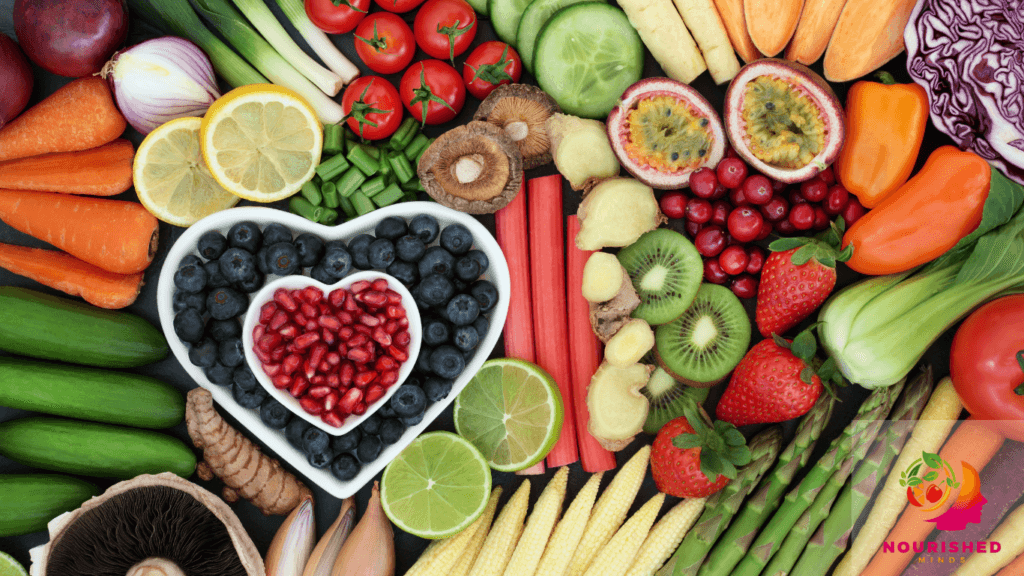
One of the best ways to support your gut is by eating a wide variety of fibre-rich foods: colourful vegetables, fresh fruit, whole grains, beans and legumes, and nuts and seeds. Fermented foods like yogurt, kefir, sauerkraut, and kimchi add beneficial bacteria directly to the mix. The more diverse your diet, the more diverse your gut microbiome can become, supporting both digestive and mental wellness.
Which Foods Help Reduce Inflammation?
Inflammation is the body’s natural response to injury or illness. However, chronic inflammation has been linked to a number of health conditions, including heart disease, diabetes, arthritis, cognitive decline, and some mental health disorders.
An anti-inflammatory eating pattern focuses on whole, minimally processed foods while reducing foods high in refined sugars, unhealthy fats, and excessive processing.
Foods known for their anti-inflammatory properties include:
- Leafy greens.
- Berries.
- Fatty fish such as salmon.
- Olive oil.
- Garlic, ginger, and turmeric.
- Walnuts.
- Herbs and spices.
You don’t need to eat perfectly every day to experience benefits. Consistency over time is what makes the biggest difference.

Frequently Asked Questions
Can healthy eating improve mental health?
A nutritious diet cannot replace professional mental health treatment, but research suggests that eating a variety of whole, nutrient-rich foods may help support mood, energy levels, focus, and overall brain health.
What foods are best for brain health?
Fatty fish, leafy greens, berries, eggs, legumes, nuts, seeds, olive oil, and whole grains provide nutrients that support healthy brain function and cognitive performance.
How does gut health affect mental well-being?
The gut and brain communicate through the gut-brain axis. Supporting a healthy gut microbiome with fibre-rich and fermented foods may positively influence digestion, immunity, and mood.
What is a food as medicine approach?
Food as medicine is the practice of using everyday nutrition to support the body’s natural ability to heal, function, and thrive. It emphasizes whole, nutrient-dense foods as a foundation for wellness alongside, not instead of, professional medical care.
What is an anti-inflammatory diet?
An anti-inflammatory diet emphasizes vegetables, fruits, healthy fats, whole grains, legumes, herbs, spices, and lean proteins while limiting highly processed foods and added sugars.
Do I need to eat perfectly to be healthy?
Not at all. Sustainable, consistent habits are far more beneficial than striving for perfection. Every healthy choice contributes to your long-term well-being.
Nourish Your Body and Mind
Every meal is an opportunity to nourish both your body and your mind. While no single food can eliminate stress, prevent illness, or solve every health challenge, the choices you make consistently can have a meaningful impact on how you feel, think, and live.
Your body and mind are deeply connected. When you care for one, you strengthen the other, creating a foundation for lasting health and well-being.
If you’re ready to take the next step in your wellness journey, explore more of our articles on food as medicine, browse our wellness products, or connect with the Nourished Minds team. We’re here to help you build simple, intentional habits that fit your everyday life.
Let's Start Your Journey
Ready to take the next step in your wellness journey? Let's connect and find the right path for you.
Get in Touch