
The Connection Between Food and Mental Health
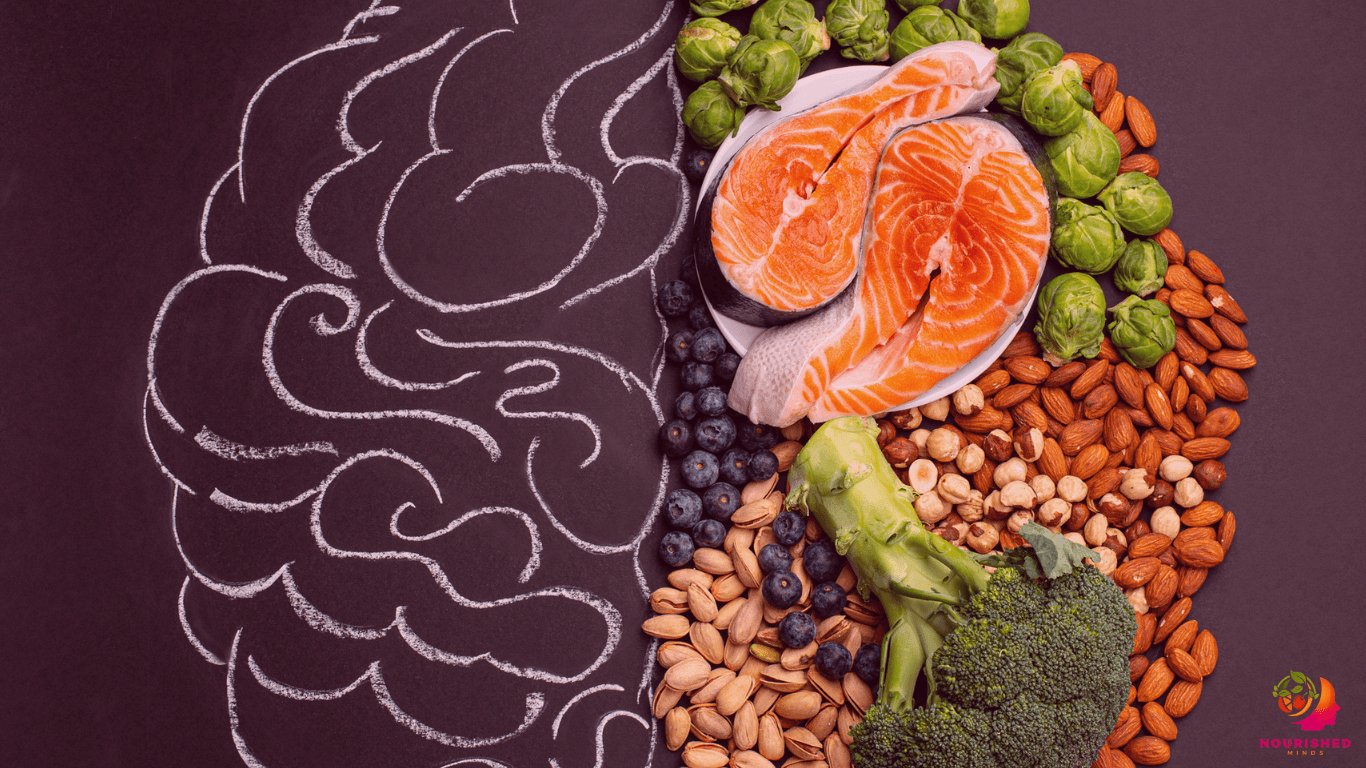
Have you ever noticed that you feel sluggish, anxious, or low after a day of poor eating? Or that a nourishing meal seems to lift your mood almost immediately? That’s not a coincidence. The connection between food and mental health is real, it’s backed by science, and it’s something that more people are starting to pay attention to.
At Nourished Minds, this connection is at the heart of everything we do. Understanding how what you eat affects how you feel is the first step toward taking back control of both your physical and mental wellbeing.
Your Gut and Your Brain Are Always Talking
Most people think of the brain as the control centre of the body, but there’s a second brain you may not know about: your gut. The gut contains over 100 million nerve cells and is in constant communication with your brain through what’s known as the gut-brain axis — a bidirectional communication network that links the enteric and central nervous systems.
Approximately 90% of serotonin, the neurotransmitter most associated with feelings of happiness and wellbeing, is produced in the gut — not the brain. That means the health of your digestive system has a direct and powerful impact on your mood, your stress levels, and your ability to manage anxiety and depression.
When your gut microbiome — the community of trillions of bacteria living in your digestive tract — is diverse and balanced, your body is better equipped to regulate mood, reduce inflammation, and support clear thinking. When it’s disrupted, the effects can show up as brain fog, irritability, low energy, and heightened anxiety. Research has shown that fluctuations in the gut microbiota are directly linked to changes in emotional regulation and cognitive function.
Foods That Support Mental Wellbeing
So what does a diet that supports mental health actually look like? Here are some of the most important nutrients and food groups to focus on:
Omega-3 Fatty Acids
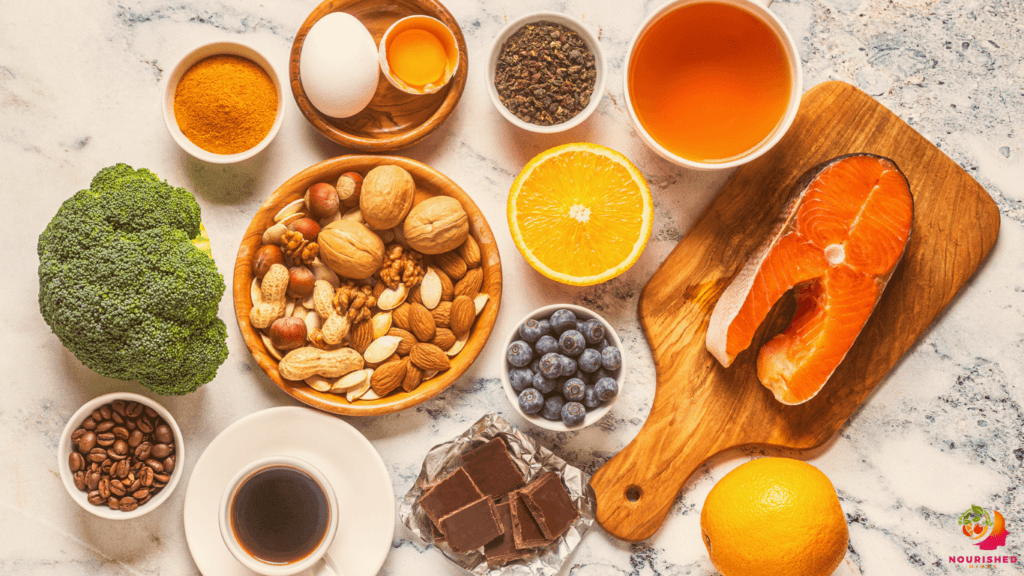
Found in fatty fish like salmon, as well as flaxseeds and walnuts, omega-3s are essential for brain health. A meta-analysis of 26 clinical studies involving over 2,000 participants found a significant beneficial effect of omega-3 supplementation on depression symptoms. A separate review published in JAMA Network Open also found associations between omega-3 intake and reduced anxiety severity. These fatty acids help reduce inflammation in the brain and support the production of neurotransmitters that regulate mood.
Fermented Foods
Foods like yogurt, kefir, kimchi, and sauerkraut are rich in probiotics, which feed the beneficial bacteria in your gut. Research on the gut-brain axis shows that probiotics can increase serotonin levels in the gut, which supports better mood, gut motility, and immune function. A healthy microbiome means a more resilient stress response and more stable emotions day to day.
Leafy Greens and Vegetables
Dark leafy greens like spinach, kale, and Swiss chard are packed with folate, magnesium, and B vitamins, all of which play a role in mood regulation and nervous system function. Magnesium in particular deserves a closer look. A 2023 meta-analysis of seven randomized clinical trials found a significant decline in depression scores in adults who supplemented with magnesium. A further review found that magnesium levels are consistently lower in people experiencing depression, suggesting that getting enough through diet is an important factor in mental health.
Complex Carbohydrates
Whole grains, legumes, and starchy vegetables provide a steady supply of glucose to the brain without the spikes and crashes that come from refined sugars. Stable blood sugar means a more stable mood. Rapid blood sugar fluctuations — common with processed, sugary foods — can trigger irritability, fatigue, and anxiety.
Hydration
Even mild dehydration can affect cognitive function, concentration, and mood. Water is fundamental to mental clarity and emotional stability, yet it’s one of the most overlooked aspects of mental health nutrition. Aim to drink steadily throughout the day rather than waiting until you feel thirsty.
What to Reduce or Avoid
Just as some foods support mental health, others can work against it. Highly processed foods, refined sugars, and alcohol can all contribute to inflammation, disrupt the gut microbiome, and interfere with the brain’s ability to regulate mood and stress.
This doesn’t mean perfection. It means awareness. Small, consistent shifts in what you eat can make a meaningful difference in how you feel day to day. Reducing ultra-processed foods and increasing whole, nutrient-dense options doesn’t have to happen overnight — even gradual changes can have a noticeable effect on energy, mood, and focus.
The Role of Mindful Eating
Beyond what you eat, how you eat matters too. Mindful eating — slowing down, being present with your food, and paying attention to hunger and fullness cues — has been shown to reduce stress, improve digestion, and foster a healthier relationship with food overall.
When we eat on the go, distracted, or out of emotion rather than hunger, we miss the signals our body is sending us. Reconnecting with those signals is a powerful part of the healing process. It doesn’t require a structured program or a special diet — it starts with simply sitting down, breathing, and paying attention.
Food Is Not a Cure — But It Is a Tool
It’s important to be clear: nutrition is not a replacement for mental health treatment, therapy, or medication. But it is one of the most accessible and powerful tools we have to support our wellbeing on a daily basis. The research is growing, and the message is consistent — what we eat matters more for our mental health than most of us have been taught.
Think of food as one layer of a larger approach to wellness. When combined with movement, rest, connection, and professional support where needed, nutrition can play a significant and meaningful role in how you feel.
This Is Personal
At Nourished Minds, we know that the journey between what you eat and how you feel isn’t just clinical. It’s deeply personal. Founder Tara-Lee Corriveau draws on 18 years of experience in the mental health field, as well as her own lived experience with bipolar II disorder and anxiety, to guide others toward a more nourished life.
The goal is never about eating perfectly. It’s about understanding the connection between what you put on your plate and how you show up in your life — and making choices that support the version of yourself you want to be.
Ready to Start?
If you’re curious about how nutrition could support your mental wellbeing, we’d love to connect. Whether through one of our upcoming retreats, workshops, or a personal coaching session, Nourished Minds is here to help you understand the relationship between what you eat and how you feel. Explore our services or get in touch to start the conversation.
Let's Start Your Journey
Ready to take the next step in your wellness journey? Let's connect and find the right path for you.
Get in Touch